Akınoğlu B., Kocahan T. Stabilization training versus equilibrium training in karate athletes with deafness. Journal of Exercise Rehabilitation. 2019;15(4):576–583. DOI: 10.12965/jer.1938306.153
Twenty-seven athletes from the Turkish national deaf karate team — 18 men and 9 women, mean age 24.53 ± 3.62 years — were randomised into two groups.
What was compared
- stabilization training on an Isomed 2000 isokinetic device;
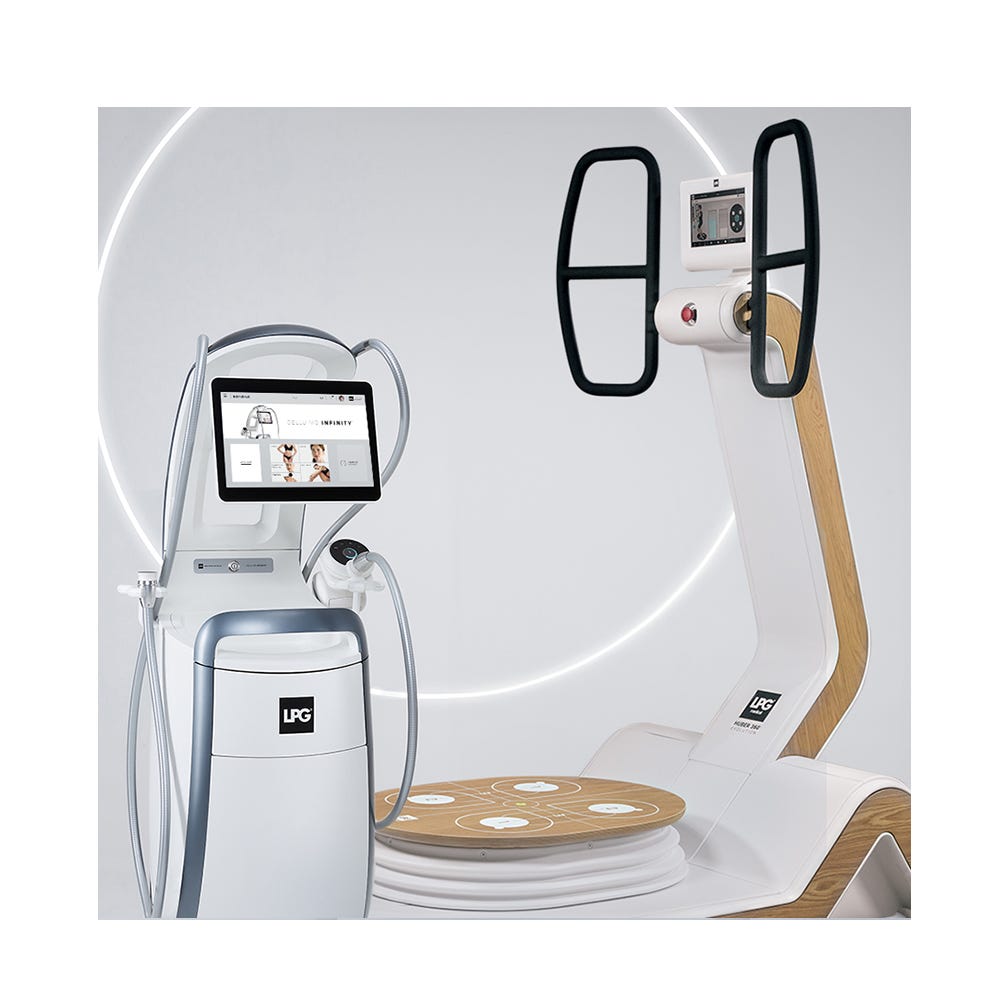
- equilibrium training on HUBER 360.
Both programmes lasted 6 weeks, 5 days a week, one session a day. Hip-muscle strength, balance and postural control were assessed before and after the course.
Results
Both protocols improved strength and balance. The HUBER group showed a statistically significant advantage for balance (p < 0.05). Hip-muscle strength did not differ between groups (p > 0.05).
For sport this suggests HUBER 360 may be a more specific tool for postural control than conventional stabilization strength training. In karate, balance is dynamic control of the centre of mass while moving from stance to travel, strike and change of direction.